
Move well · 3 MIN READ
Stretching Before or After a Workout? Make Room for Both Movement and Mobility
A warm-up prepares you to move. Stretching works on flexibility. Here is how to give each a useful place in your routine.
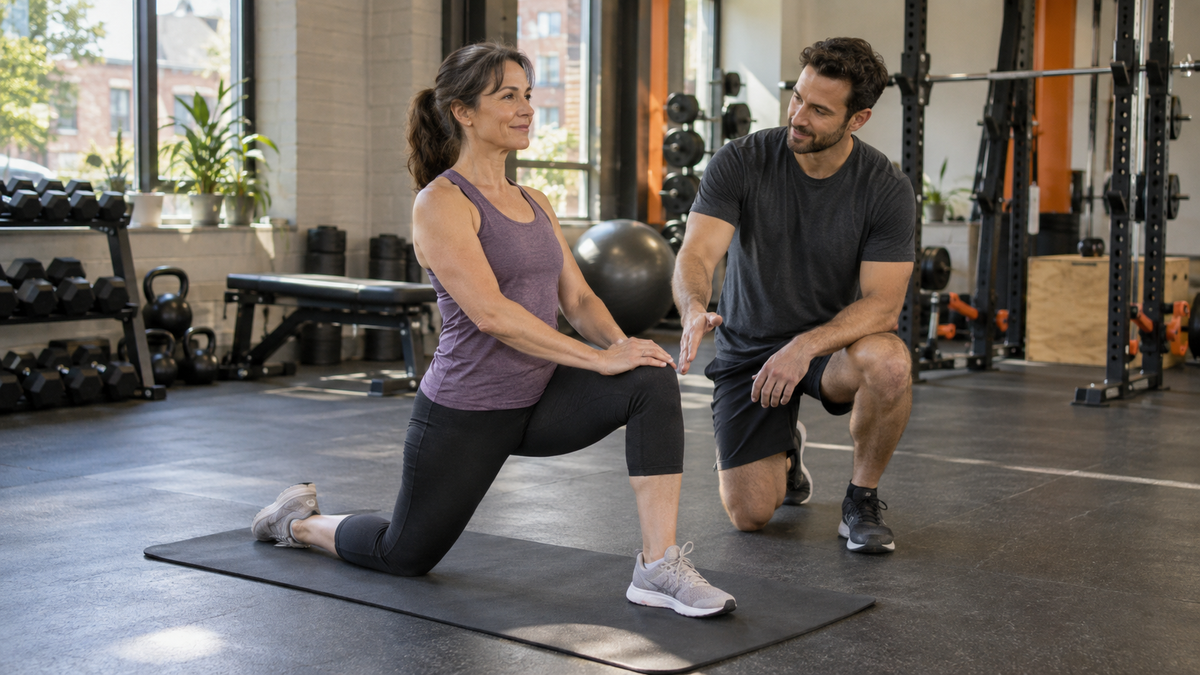
When a day is packed, stretching can feel like the easiest part of a workout to skip. It also gets asked to do too much: prevent every injury, erase soreness and somehow replace a warm-up. A more useful approach is to understand the job of each part of your session.
Warm-up and stretching are not the same thing
A warm-up gradually prepares you for the activity ahead. Dynamic movements take you through a comfortable range of motion; a static stretch holds a position. Which approach makes sense depends on what you are about to do and how you move.
Mayo Clinic advises warming up with light walking, jogging or cycling for 5 to 10 minutes before stretching. It also notes that stretching can improve flexibility and joint range of motion, while research does not show that it reliably prevents postexercise soreness. Prolonged static stretching immediately before some explosive activities can affect performance. Read Mayo Clinic’s stretching guidance.
Before training: prepare for the session
Think about the movements you will use. A strength session and a dance fitness class do not necessarily need identical preparation. Ask your instructor to show you an appropriate warm-up and an easier version of any unfamiliar exercise.
Give the first minutes of a session a purpose. Check how you feel, become familiar with the movement and build effort gradually. Arriving at the last second can make it tempting to jump straight into the hardest part.
After training: make flexibility a small habit
Once you have finished the main work and your muscles are warm, there may be a useful opportunity for comfortable stretching. Mayo Clinic recommends steady holds without bouncing, normal breathing and tension rather than pain. A typical hold is around 30 seconds, adjusted to your situation. Persistent pain or an injury deserves advice from a qualified health professional.
Choose a few positions you understand rather than copying an elaborate routine. Ask a coach to help you identify movements that fit your training. If a stretch is awkward or uncomfortable, describe what you feel instead of forcing a deeper position.
Flexibility should serve your life
You do not need to win a stretching contest. Consider the movements you want to feel more comfortable doing: reaching, squatting, stepping or getting down to the floor. Track whether practice is becoming easier and whether the routine is realistic enough to repeat.
Pairing a short mobility habit with an existing appointment can make it easier to remember. For example, leave a few minutes after class before returning to the rest of your day. The aim is a useful routine, not one more task to feel behind on.
Ask for help with the movements
At WayMore Fitness in New City, you can talk with the coaching team about how warm-ups and movement practice fit your training. Explore individual coaching or find a class in the current schedule. We are at 63 S Main Street in Rockland County.
Returning after a long break? Read our guide to making your first weeks back manageable.
KEEP YOUR CURIOSITY MOVING